What Are Uterine Fibroids?
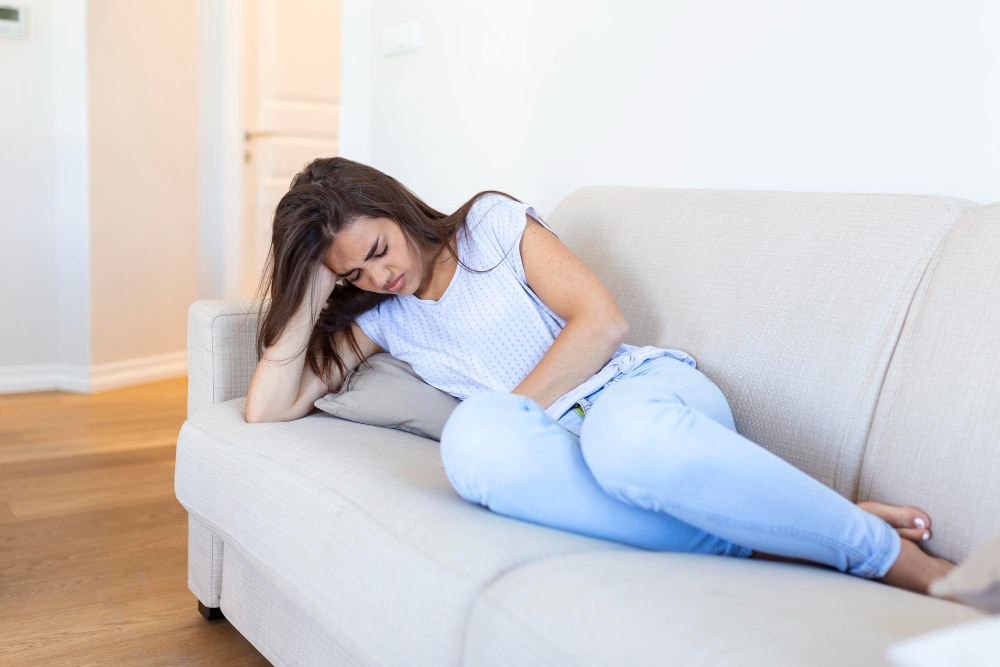
Uterine fibroids are non-cancerous growths that form in or on the uterus. Many women develop fibroids at some point in their lives. In fact, the Centers for Disease Control and Prevention (CDC) reports that up to 70% of women may have fibroids by age 50. Although fibroids are usually harmless, they can cause problems. For example, some women notice fibroid warning signs like heavy periods or pain. Understanding these signs can help you get the right care.
Common Warning Signs of Fibroids
Not all fibroids cause symptoms. However, some warning signs may point to a problem. If you notice any of these, it is important to pay attention:
Sometimes, these symptoms can be mild. But if they get worse or affect your daily life, you should see a doctor.
How to Recognize When Heavy Periods Are More Than Just Cramps
Many women have cramps during their periods. But heavy menstrual bleeding can be a sign of fibroids. So, how can you tell the difference? Watch for these signs:
If you notice these symptoms, it may be more than normal cramps. Therefore, it is wise to talk to your doctor about fibroid symptoms.
Causes and Risk Factors for Fibroids
Doctors do not know exactly what causes fibroids. However, several factors can raise your risk:
Hormones like estrogen and progesterone also play a role. These hormones help fibroids grow. Because of this, fibroids often shrink after menopause.
Diagnosis: How Doctors Identify Fibroids
If you have fibroid warning signs, your doctor will ask about your symptoms. Next, they may do a pelvic exam to feel for growths. Often, doctors use imaging tests to see fibroids clearly. These tests may include:
Sometimes, doctors may order blood tests to check for anemia caused by heavy bleeding. Early diagnosis helps you get the right fibroid treatment options.
Treatment Options for Fibroids
Treatment depends on your symptoms, age, and plans for pregnancy. Some women do not need treatment if their fibroids are small and not causing problems. However, if you have symptoms, your doctor may suggest:
Each option has pros and cons. Therefore, it is important to discuss them with your doctor.
Lifestyle Tips and Prevention
While you cannot always prevent fibroids, some healthy habits may lower your risk. For example:
In addition, regular check-ups can help catch fibroids early. If you notice changes in your periods, do not ignore them.
“If you notice any warning signs, consult a gynecologist at Nidhi Hospital Ankleshwar for personalized advice. Early care can make a significant difference in your health and well-being.”.