

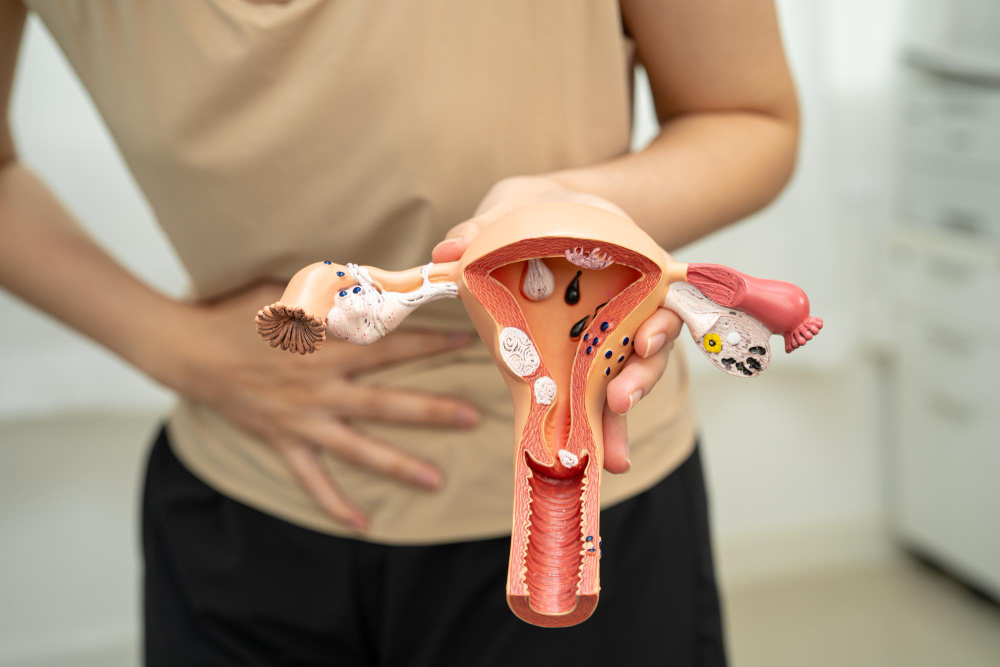
What Are Uterine Fibroids?
Uterine fibroids are non-cancerous growths that form in the wall of the uterus. Many women develop fibroids at some point in their lives. However, most do not know they have them because symptoms are often mild or absent. Still, some women may notice heavy periods, pelvic pain, or pressure. Understanding what causes uterine fibroids and knowing the risk factors for fibroids in women can help you stay informed and seek help when needed.
Main Causes of Uterine Fibroids
Doctors do not know the exact cause of uterine fibroids. Yet, research shows that several factors may play a role. For example, hormones and genetics seem to be important. Here are some main causes:
Although these factors are linked to fibroids, having them does not mean you will definitely develop fibroids. Still, they can increase your chances.
Key Risk Factors for Uterine Fibroids
Many women wonder about the risk factors for fibroids. While anyone with a uterus can develop them, some factors can raise your risk. For instance, age and family history matter. Below are the main risk factors:
Even though these factors can raise your chances, many women with risk factors never develop fibroids. On the other hand, some women with no risk factors do get them.
Who Is Most at Risk?
Some women have a higher chance of developing uterine fibroids. For example, African American women face a greater risk and often have more severe symptoms. Women with a family history of fibroids are also more likely to get them. In addition, women who are overweight or who started their periods early may be at higher risk. Knowing your risk can help you watch for symptoms and talk to your doctor early.
When to Seek Medical Advice
Most fibroids are harmless and do not cause problems. However, you should see a doctor if you notice:
Sometimes, these symptoms can be caused by other health issues. Therefore, it is important to get checked by a gynecologist. Early care can help you manage symptoms and prevent complications.
Conclusion
To sum up, uterine fibroids are common, and several causes and risk factors can increase your chances of getting them. However, knowing these risks can help you stay alert. If you have concerns or symptoms, consult a gynecologist at Nidhi Hospital, Ankleshwar for personalized advice about uterine fibroids.