

Introduction
Cervical erosion is a common condition that affects many women. It happens when the cells from inside the cervix spread to its outer surface. Because of this, the cervix may look red and inflamed. Cervical erosion is also known as cervical ectropion. While it often sounds serious, it is usually harmless. However, it can cause symptoms that may worry you. In this blog, you will learn about cervical erosion symptoms, causes, diagnosis, and treatment options. Understanding these facts can help you take better care of your health.
What is Cervical Erosion?
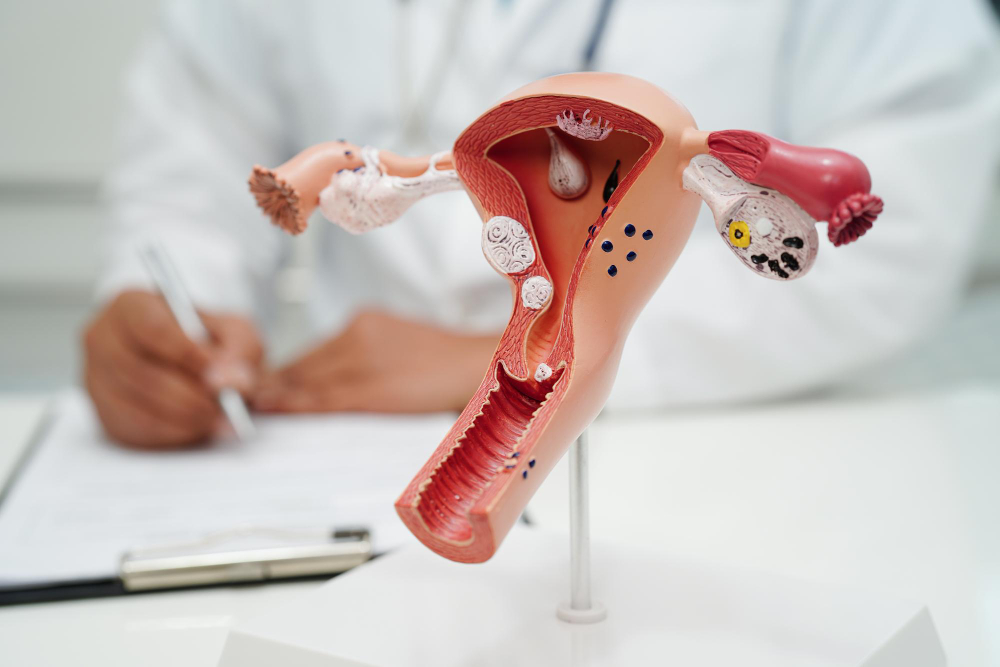
Cervical erosion means the delicate cells from inside the cervix move to the outside. Normally, the outer cervix has tough skin-like cells. But in cervical erosion, soft glandular cells cover this area. As a result, the cervix may appear red and raw during a pelvic exam. Although the term “erosion” sounds alarming, it does not mean the cervix is damaged. Instead, it is a change in cell type. This condition is common in women of childbearing age. Often, it does not cause any problems. However, some women may notice symptoms.
Common Symptoms of Cervical Erosion
Many women with cervical erosion have no symptoms. Still, some may notice changes. For example, you may experience:
However, these symptoms can also happen with other conditions. Therefore, it is important to talk to your doctor if you notice any of them.
Causes and Risk Factors
Several factors can lead to cervical erosion. For instance, hormonal changes are a common cause. The following are some main causes and risk factors:
Additionally, some women are simply more prone to this condition. It is not usually linked to cancer or serious disease. Still, regular check-ups are important for your health.
How Cervical Erosion is Diagnosed
Doctors can often spot cervical erosion during a pelvic exam. The cervix may look red and moist. However, to be sure, your doctor may suggest further tests. For example, you might need:
Because symptoms can be similar to other problems, these tests help rule out serious conditions. According to the World Health Organization (WHO), regular cervical screening is key for women’s health.
Treatment Options for Cervical Erosion
In many cases, cervical erosion does not need treatment. If you have no symptoms, your doctor may simply monitor you. However, if you have bothersome symptoms, treatment options include:
Most treatments are quick and safe. After treatment, symptoms usually improve. But, it is important to follow your doctor’s advice for the best results.
Prevention and Lifestyle Tips
While you cannot always prevent cervical erosion, some steps may help. For instance, you can:
Moreover, staying informed about your health is always helpful. Early detection of any changes can make a big difference.
When to See a Doctor
Although cervical erosion is often harmless, you should see a doctor if you notice:
Because these symptoms can also signal other health issues, it is best to get checked. Early medical advice can help you stay healthy and worry less.
Conclusion
In summary, cervical erosion is a common and usually harmless condition. Still, it can cause symptoms that need attention. If you notice any changes, do not ignore them. Instead, consult your healthcare provider at Nidhi Hospital, Ankleshwar for proper diagnosis and treatment. Regular check-ups and open communication with your doctor are the best ways to protect your cervical health.