
What Is Fetal Growth Monitoring?
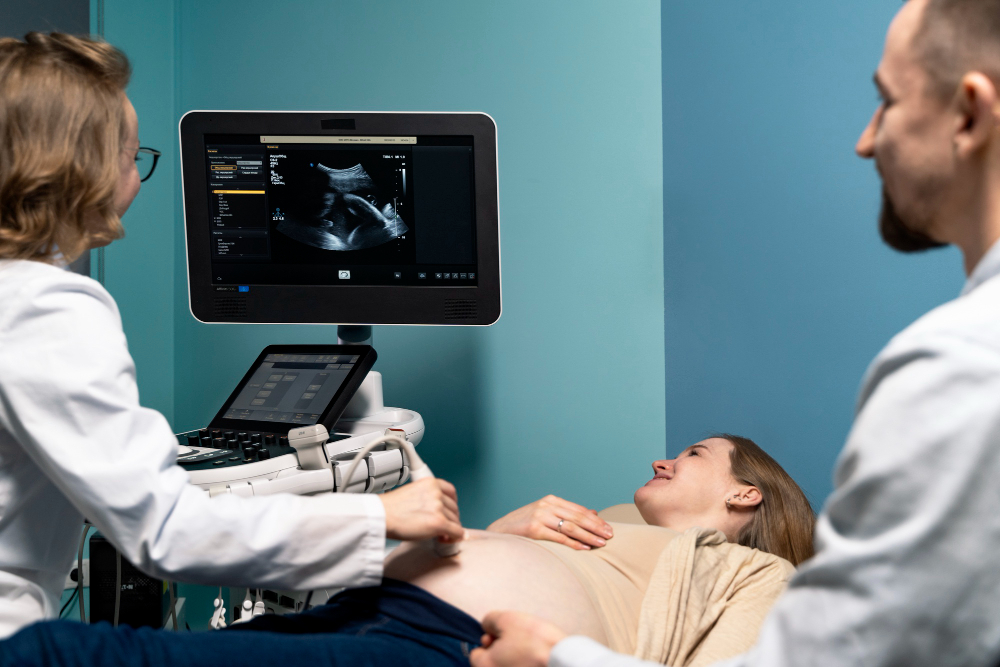
Fetal growth monitoring during pregnancy helps doctors check how your baby is growing inside the womb. This process uses different tests and scans to track your baby’s size and health. Early in pregnancy, doctors start watching your baby’s growth to make sure everything is on track. Because every baby grows at a different rate, regular checks are important. These checks help spot any problems early. For many parents, knowing about fetal growth monitoring brings peace of mind.
Why Is Fetal Growth Monitoring Important?
Monitoring your baby’s growth is very important for a healthy pregnancy. First, it helps doctors find any growth problems early. For example, if your baby is not growing as expected, your doctor can act quickly. Also, regular checks can lower the risk of problems for both mother and baby. In addition, fetal growth monitoring during pregnancy helps plan the best care for you and your baby. Sometimes, early action can prevent serious health issues. Therefore, these checks are a key part of prenatal care.
Common Methods for Monitoring Fetal Growth
Doctors use several safe methods to monitor your baby’s growth. Each method gives important information about your baby’s health. Here are some common ways doctors check fetal growth:
Because each method has its own benefits, your doctor may use more than one during your pregnancy.
Signs of Abnormal Fetal Growth
Sometimes, babies grow slower or faster than expected. Early signs can help doctors act quickly. Watch for these signs of abnormal fetal growth:
If you notice any of these signs, let your healthcare provider know right away. Early action can make a big difference.
What to Expect During Fetal Growth Assessments
During a fetal growth assessment, your doctor will first ask about your health and any changes you have noticed. Next, they will measure your belly and may use an ultrasound to check your baby’s size. Sometimes, you will hear your baby’s heartbeat or see images on the screen. The process is usually quick and painless. If needed, your doctor may order more tests, such as a Doppler ultrasound. Because these checks are routine, you can expect them at several points during your pregnancy. Your doctor will explain each step and answer your questions.
Tips for Supporting Healthy Fetal Growth
There are many ways you can help your baby grow well during pregnancy. Here are some simple tips:
Because your health affects your baby’s growth, these habits are very important. If you have questions about your diet or lifestyle, ask your doctor for advice.
When to Consult Your Healthcare Provider
It is important to talk to your doctor if you notice any changes in your baby’s movements or your own health. For example, if you feel fewer kicks or notice your belly is not growing, call your healthcare provider. Also, if you have pain, bleeding, or sudden swelling, seek help right away. Regular visits help catch problems early. Because every pregnancy is different, your doctor can give you the best advice for your needs.
For personalized guidance on fetal growth monitoring during pregnancy, consult at Nidhi Hospital, Ankleshwar . They can help you understand what to expect and how to support your baby’s healthy growth.