

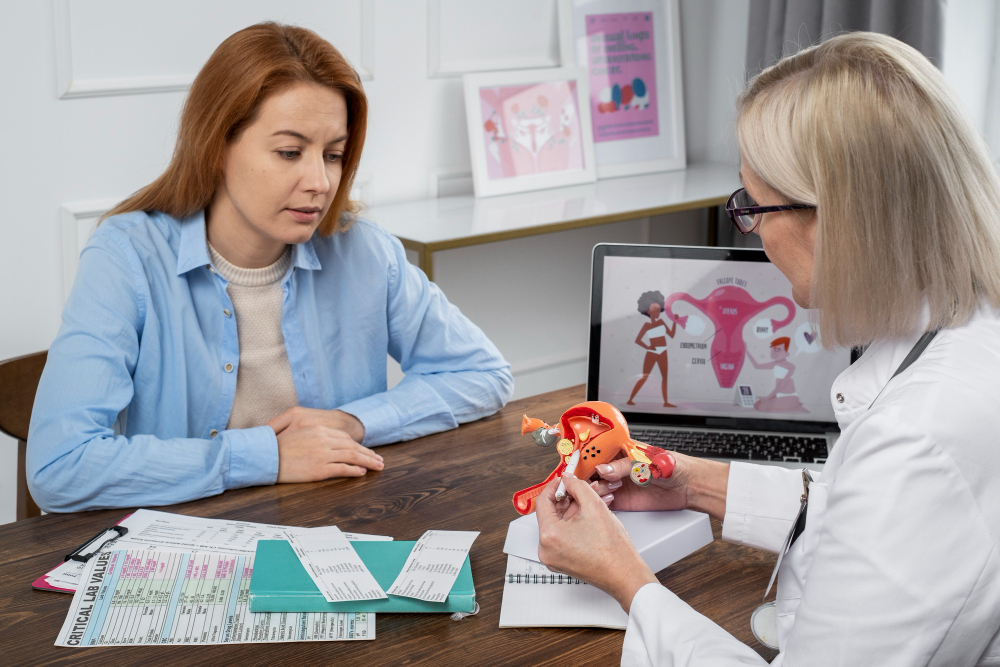
What Is Female Infertility?
Female infertility means a woman has trouble getting pregnant after trying for at least one year. In some cases, women may get pregnant but have trouble staying pregnant. Because many couples want to start a family, understanding female infertility is important. According to the World Health Organization (WHO), about 10% of women worldwide face fertility problems. However, there are many ways to help.
Common Symptoms and Signs
Often, the main sign of female infertility is not being able to get pregnant. But, there are other symptoms you may notice. For example, some women have irregular periods. Others may have no periods at all. Sometimes, periods are very painful. In addition, some women notice changes in their skin or hair. If you see any of these signs, it is wise to talk to a doctor.
Major Causes and Risk Factors
There are many causes of female infertility. Sometimes, problems with ovulation (egg release) are the reason. Other times, blocked fallopian tubes or issues with the uterus can cause trouble. Age is also a big factor. As women get older, their chances of getting pregnant go down. In addition, certain health conditions can raise the risk.
Diagnostic Methods and Tests
If you suspect female infertility, doctors use several tests to find the cause. First, they may ask about your health history. Then, they often do a physical exam. Blood tests can check hormone levels. In addition, doctors may use ultrasound to look at your ovaries and uterus. Sometimes, special X-rays or procedures help find blocked tubes or other problems.
Treatment Options for Female Infertility
There are many ways to treat female infertility. The right treatment depends on the cause. For some women, lifestyle changes can help. Others may need medicine or surgery. In some cases, assisted reproductive technology (ART), like in vitro fertilization (IVF), is used. Your doctor will help you choose the best option.
Medical Treatments
Surgical Treatments
Assisted Reproductive Technology (ART)
Lifestyle Changes
Prevention Tips and Lifestyle Guidance
While not all cases of female infertility can be prevented, you can lower your risk. For example, healthy habits make a big difference. Try to keep a healthy weight. Eat a variety of fruits, vegetables, and whole grains. Also, avoid smoking and limit alcohol. Regular exercise helps, but do not overdo it. Managing stress is important as well. If you have a health condition, follow your doctor’s advice.
When to See a Doctor
If you have tried to get pregnant for a year without success, see a doctor. Women over 35 should seek help after six months of trying. Also, if you have irregular periods, severe pain, or other symptoms, do not wait. Early intervention can make a big difference. Remember, many women with infertility go on to have healthy babies with the right care.
For personalized advice on female infertility, consult a healthcare specialist at Nidhi Hospital Ankleshwar .