
What Is Pre-eclampsia?
Pre-eclampsia is a serious health problem that can happen during pregnancy. It causes high blood pressure and can harm organs like the liver and kidneys. Because pre-eclampsia can affect both mother and baby, it is important to know the signs. In obstetrics and gynecology, doctors watch for pre-eclampsia to keep mothers and babies safe. Early care can lower risks and improve outcomes.
Common Symptoms of Pre-eclampsia
Many women with pre-eclampsia may not feel sick at first. However, some symptoms can appear as the condition gets worse. Knowing these signs helps you seek help quickly.
Sometimes, these symptoms can be mild. Still, it is important to tell your doctor if you notice any of them.
Main Causes and Risk Factors
Doctors do not know the exact cause of pre-eclampsia. Yet, certain factors can raise your risk. For example, first-time mothers are more likely to get pre-eclampsia. Also, women with a family history of the condition have a higher risk.
Because these risks vary, regular check-ups are important for all pregnant women.
How Is Pre-eclampsia Diagnosed?
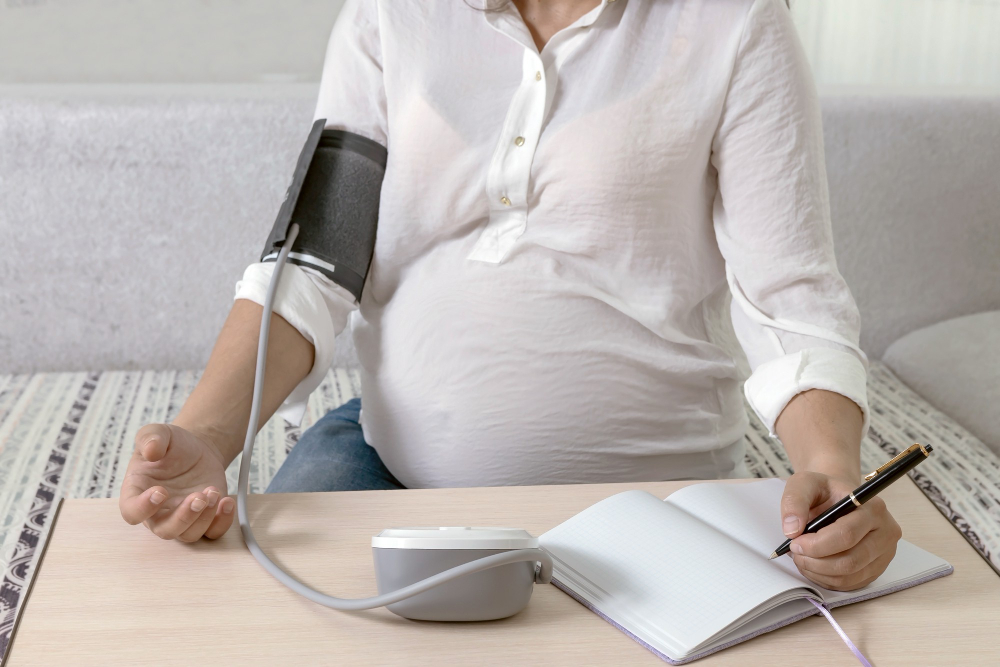
Doctors use several methods to diagnose pre-eclampsia. First, they check your blood pressure at each visit. If it is high, they may do more tests. For example, they might check your urine for protein. Too much protein can be a sign of kidney problems from pre-eclampsia.
Early diagnosis helps prevent serious problems for both mother and baby. According to the CDC, regular prenatal visits are key for early detection.
Treatment and Management Options
Treatment depends on how severe pre-eclampsia is and how far along the pregnancy is. For mild cases, doctors may suggest rest and close monitoring. Sometimes, you may need to stay in the hospital for extra care.
Because pre-eclampsia can get worse quickly, following your doctor’s advice is very important.
Lifestyle Guidance and Prevention Tips
While you cannot always prevent pre-eclampsia, some steps may lower your risk. For instance, healthy habits before and during pregnancy can help.
Additionally, talk to your doctor about your risk factors. They can give advice tailored to your needs.
When to Seek Medical Help
It is important to know when to get help. If you notice any symptoms of pre-eclampsia, call your doctor right away. For example, sudden swelling, severe headaches, or vision changes should not be ignored. Quick action can protect both you and your baby.
Conclusion
Pre-eclampsia is a serious condition, but early care can make a big difference. Because every pregnancy is unique, regular check-ups and open communication with your doctor are key. Consult a healthcare specialist at Nidhi Hospital, Ankleshwar for personalized advice on pre-eclampsia.