
What Is a Viability Scan?
A viability scan is an early pregnancy ultrasound. It helps check if a pregnancy is developing as expected. Usually, doctors perform this scan in the first trimester. In fact, it is often called a first trimester scan or pregnancy viability assessment. The main goal is to confirm the presence of a heartbeat and see if the pregnancy is inside the uterus.
Why Is a Viability Scan Important?
Early in pregnancy, many women feel anxious. A viability scan offers important information. For example, it can:
Because of these reasons, a viability scan gives peace of mind and helps guide early pregnancy care.
When Is a Viability Scan Performed?
Doctors usually recommend a viability scan between 6 and 9 weeks of pregnancy. However, some women may need it earlier or later. For instance, if you have pain, bleeding, or a history of pregnancy loss, your doctor may suggest an early pregnancy ultrasound sooner. Always follow your doctor’s advice about timing.
How Is a Viability Scan Done? (Procedure)
Most viability scans use ultrasound. There are two main ways to do this scan:
Usually, the transvaginal approach is used before 8 weeks. The scan is safe and does not harm the baby. You do not need to worry about pain, as the procedure is usually quick and gentle.
What Can You Expect During the Scan?
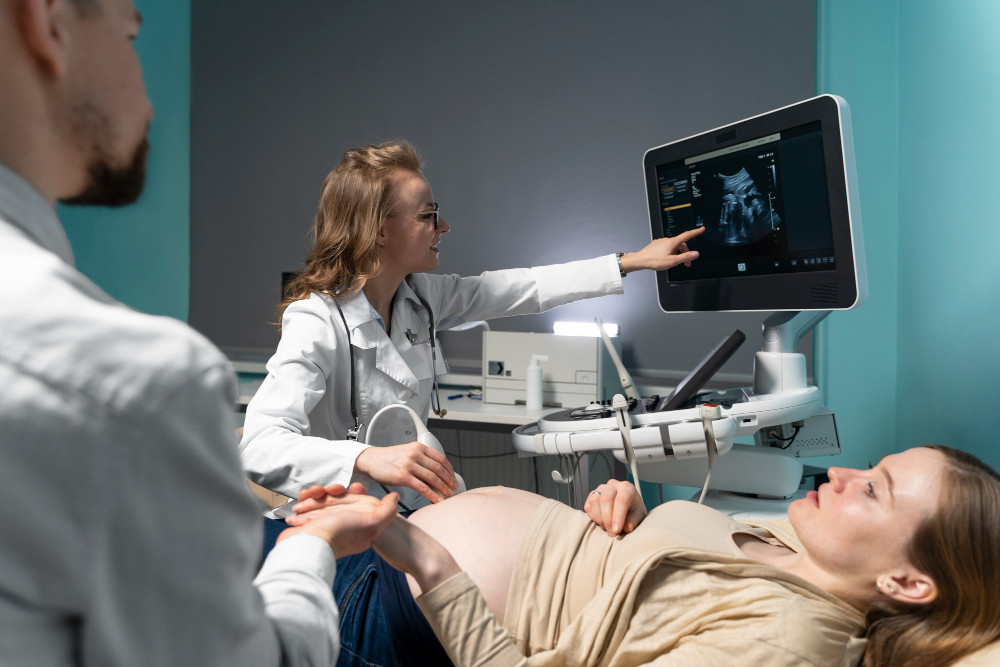
Before the scan, your doctor may ask you to drink water. This helps make the uterus easier to see. During the scan:
After the scan, you can usually return to normal activities right away. Most women feel relieved and reassured after seeing their baby’s heartbeat.
Understanding the Results of a Viability Scan
After the scan, your doctor will discuss the results. They may talk about:
If everything looks normal, you will likely feel more confident about your pregnancy. However, if there are concerns, your doctor will explain the next steps. Sometimes, a repeat scan is needed to check for changes.
Frequently Asked Questions About Viability Scans
When to Consult Your Doctor
If you have pain, bleeding, or concerns in early pregnancy, contact your doctor right away. Even if you feel fine, regular check-ups are important. A viability scan is just one part of early pregnancy care. For any questions or worries, your healthcare provider is the best source of advice.
Consult a qualified obstetrician or gynecologist at Nidhi Hospital Ankleshwar for personalized advice about viability scans and early pregnancy care.