
What is Polycystic Ovary Syndrome (PCOS)?
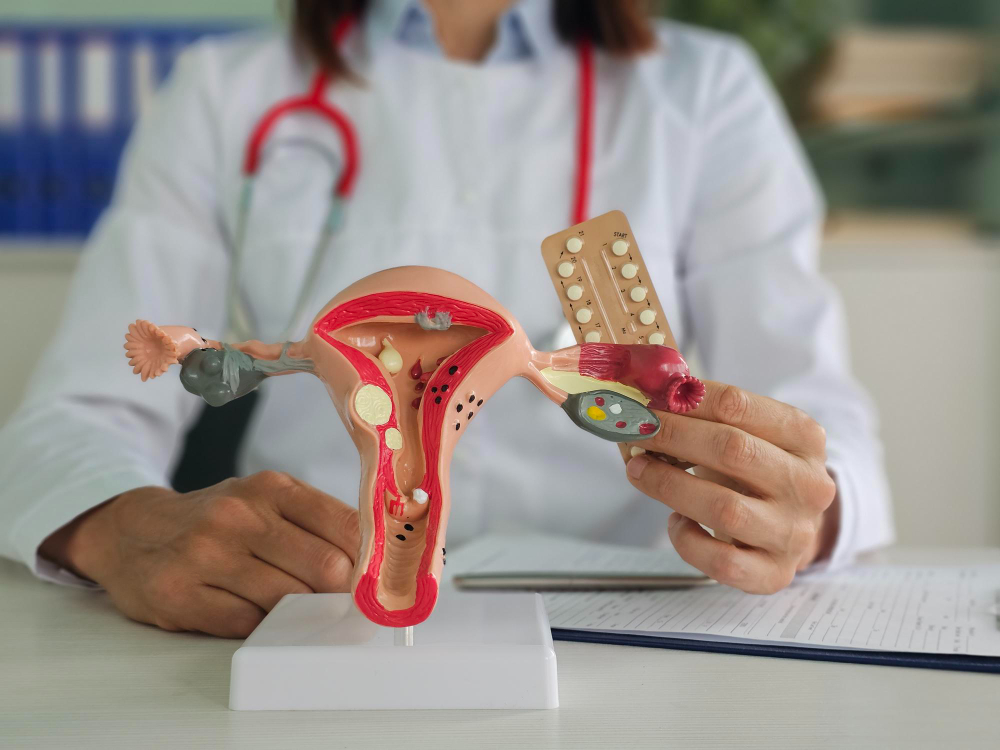
Polycystic Ovary Syndrome (PCOS) is a common health problem. It affects how a woman’s ovaries work. Many women wonder, “Who can get Polycystic Ovary Syndrome (PCOS)?” PCOS can cause irregular periods, extra hair growth, and trouble getting pregnant. According to the CDC, PCOS affects about 1 in 10 women of childbearing age. While the exact cause is not clear, hormones and genetics play a role. Early diagnosis and treatment can help manage symptoms and lower health risks.
Who is at Risk of Developing PCOS?
Anyone with ovaries can develop PCOS. However, some people have a higher risk than others. For example, PCOS often starts during the teenage years. But, it can also appear later. Women of reproductive age are most likely to get PCOS. Still, not everyone with risk factors will develop it. Knowing your risk can help you watch for symptoms early.
Common Risk Factors
Several factors can increase your chance of getting PCOS. Let’s look at the most common PCOS risk factors:
Even though these factors matter, PCOS can affect anyone. Therefore, it is important to stay aware of your health.
How PCOS Affects Different Groups
PCOS does not look the same for everyone. In fact, it can affect people in different ways based on age and background.
Teens
Teens may notice irregular periods, acne, or extra hair growth. Sometimes, these signs are missed because they seem normal during puberty. However, early care can help manage symptoms.
Women of Reproductive Age
Most women are diagnosed with PCOS between ages 15 and 44. For many, PCOS can cause trouble getting pregnant. But, with the right help, many women can have healthy pregnancies.
Different Ethnicities
PCOS can affect all ethnic groups. Still, some studies show higher rates in South Asian, Middle Eastern, and African American women. Symptoms may also differ by group. For example, some women may have more hair growth, while others have more acne.
Myths and Facts About PCOS Risk
There are many myths about who gets PCOS. Let’s clear up some common ones:
Because of these myths, some people may not seek help. Knowing the facts can help you take charge of your health.
When to Seek Medical Advice
If you notice signs like irregular periods, extra hair growth, or trouble getting pregnant, talk to a doctor. Early care can help manage PCOS and lower the risk of other health problems, such as diabetes or heart disease. Even if you are unsure, it is better to ask a healthcare professional. They can guide you on the next steps.
Consult a healthcare professional at Nidhi Hospital, Ankleshwar for personalized advice about PCOS risk.