What Is Newborn Screening?
Newborn screening is a simple test done soon after birth. It checks babies for certain rare but serious health conditions. Because these conditions may not show signs right away, screening helps find them early. In most places, this test is part of routine newborn care. Usually, it happens before your baby leaves the hospital.
Why Is Newborn Screening Important?
Newborn screening is important because it can save lives. Early detection in newborns means doctors can treat problems before they cause harm. For example, some conditions can lead to brain damage or even death if not found quickly. However, with early treatment, many babies grow up healthy. In addition, newborn health screening benefits families by giving peace of mind. Parents know their baby is getting the best start in life.
Common Conditions Detected by Newborn Screening
Newborn screening looks for several health problems. Although the list may vary by country, common conditions include:
Because these conditions can be serious, early detection in newborns is key.
How Newborn Screening Is Performed
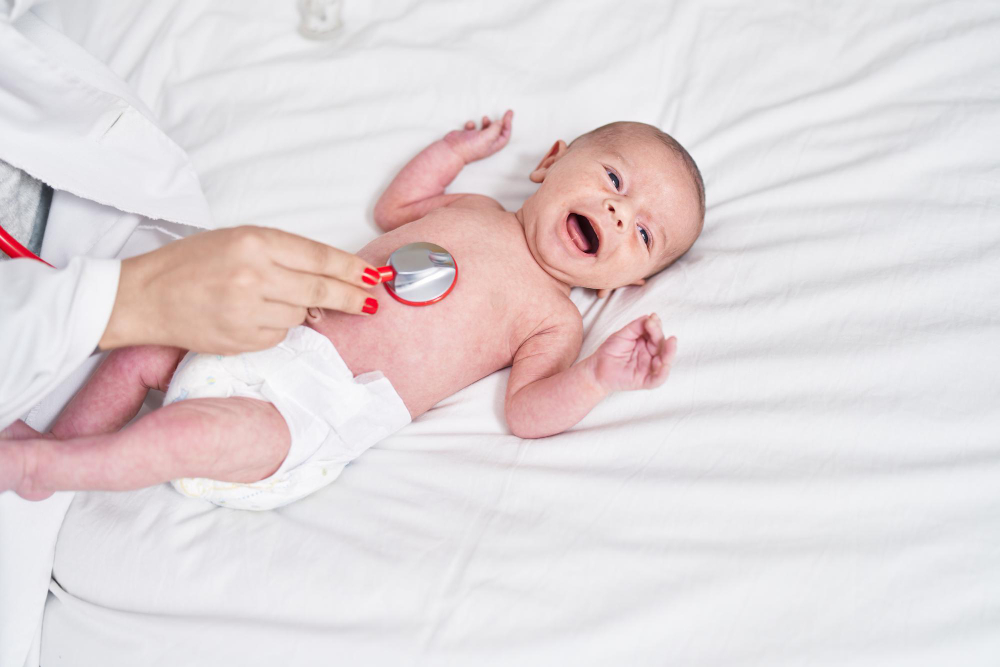
Newborn screening is quick and safe. Soon after birth, a nurse or doctor takes a few drops of blood from your baby’s heel. This is called a heel prick. The blood goes to a lab for testing. In addition, some hospitals check your baby’s hearing and heart with simple tests. Most babies sleep through the process or cry for only a moment. Results are usually ready within a few days.
Benefits of Early Detection and Intervention
Early detection in newborns offers many benefits. First, it allows doctors to start treatment right away. This can prevent serious problems, such as brain damage or physical disabilities. Second, early care can help babies reach their full potential. For example, children with hearing loss can get hearing aids or therapy sooner. Because of newborn screening, many children live longer, healthier lives. Families also feel more secure knowing their baby is healthy or getting the care they need.
Frequently Asked Questions About Newborn Screening
In summary, newborn screening is a simple step that can make a big difference. Consult at Nidhi Hospital Ankleshwar to learn more about newborn screening for your baby.